

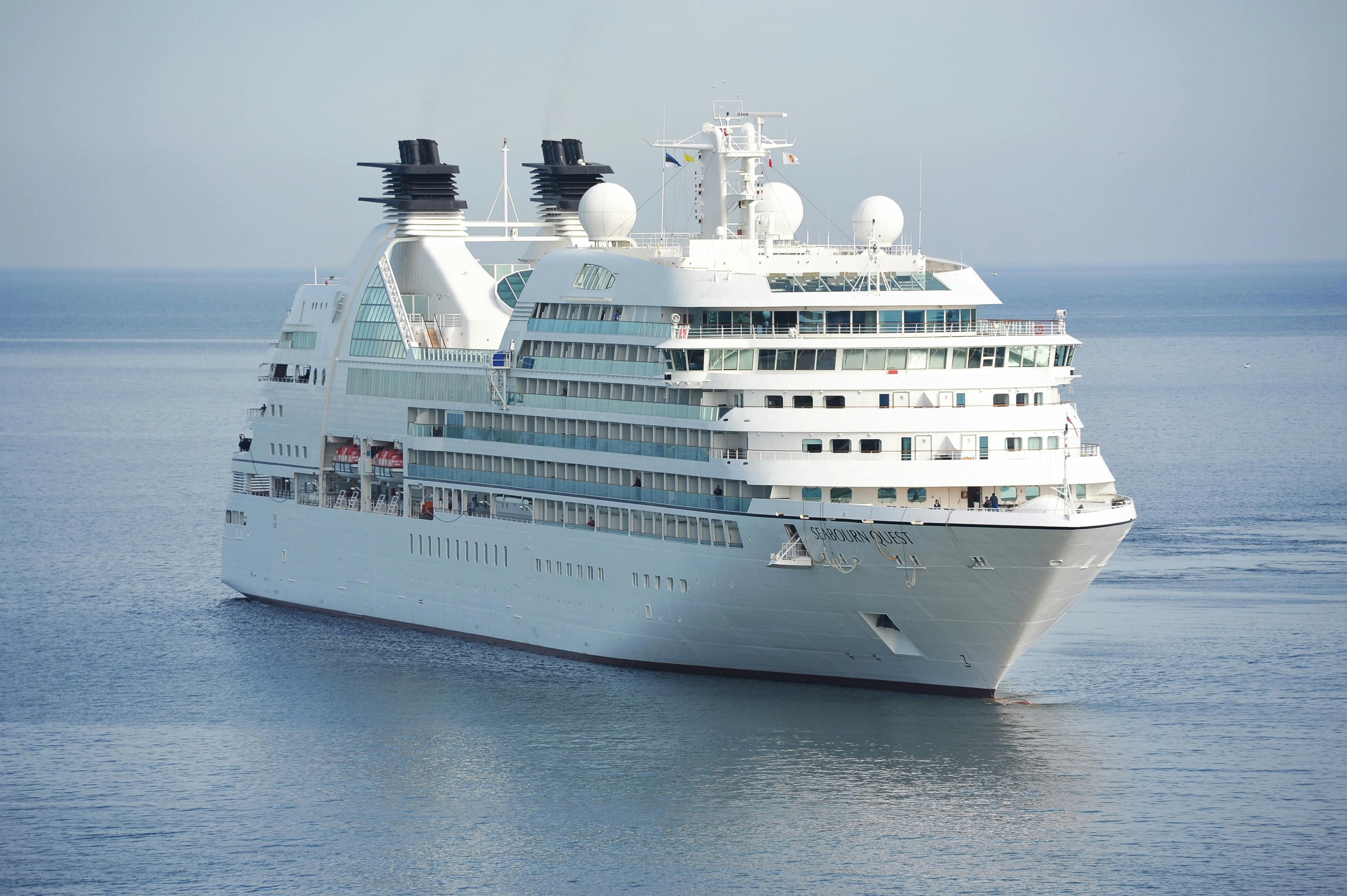
The merchant ship Mary Celeste was found floating in the Atlantic Ocean with missing crew members and zero signs of a fight. In December 1872, another ship spotted her drifting aimlessly with her sails half-set. When sailors boarded her, they found a phantom vessel where everything was in place except the ten people who belonged there.
Here is the quick truth. Captain Benjamin Briggs, his family, and seven crew members abandoned a perfectly seaworthy ship for reasons no one can prove. They left behind valuable cargo, food for six months, and all their personal belongings. They stepped into a small lifeboat and vanished into the blue water forever.
What the Boarding Party Found on the Mary Celeste
A ship named the Dei Gratia caught sight of the Mary Celeste about 400 miles off the coast of Portugal. Captain David Morehouse recognized the boat. He knew Captain Briggs was a careful man, so seeing the ship wobble across the waves felt wrong. He sent his first mate, Oliver Deveau, to check it out.
Deveau stepped onto the deck and heard nothing but the flap of wet ropes. The decks were dripping with sea water, but the ship was not sinking. There was three and a half feet of water in the hold, which sounds like a lot, but a ship that size could easily handle it. One of the two pumps had been taken apart, as if someone was trying to fix it.
Inside the cabin, the sight was even stranger. The crew left behind their warm coats, their pipes, and even their boots. A child's toy sat on a bed. Food supplies were packed tight, enough to feed everyone for half a year. But the ship's logbook was sitting on the mate's desk. The last entry was written ten days earlier, on November 25. Check out more
unexplained ocean stories and maritime cases to see how strange these events can get.
The only thing missing was the single lifeboat, along with the ship's navigation tools. The captain's chronometer and sextant were gone. It looked like a quick, orderly departure. But why would a veteran captain force his wife and two-year-old daughter off a solid ship into a tiny wooden rowboat in the middle of the ocean?

The Sea Monster and Pirate Theories
When the Dei Gratia sailed the empty ship into Gibraltar, the law courts got involved. Officials were sure a crime took place. They looked for blood. They looked for signs of a fight. At first, investigators thought the crew got drunk and killed the captain. Then they checked the cargo. The ship held 1,701 barrels of industrial alcohol. Every single barrel was intact, so the crew had not touched it.
Stories began to spread across the world. People loved wild ideas. Some claimed a giant squid pulled the crew off the deck one by one. Others blamed pirates from the Barbary coast. But pirates take things. They would have stolen the alcohol, the food, and the captain's money chest. Everything of value remained inside the cabins.
Sir Arthur Conan Doyle, the writer who created Sherlock Holmes, even published a fake story about the event. He wrote that a dark passenger took over the ship and murdered everyone. Many people believed his fiction was real history. You can read the actual history of the Mary Celeste to see how real court records debunked those wild tales.
Why Did the Crew Leave the Ship?
If there was no monster and no pirates, what scared the crew so badly? Scientists and historians have worked on this puzzle for over a century. They built computer models, tested old barrels, and studied weather charts from 1872. Three main facts point to a logical answer.
- The Alcohol Fumes: Nine of the barrels were later found empty. They were made of oak, which is more porous than red oak. Fumes could have leaked out and filled the dark hold. A single spark might have caused a loud rumble without leaving fire marks. The captain may have thought the ship was about to blow up.
- The Clogged Pump: The ship carried a heavy load of coal dust on its previous voyage. That fine dust likely mixed with bilge water and clogged the pumps. If the crew could not pump out the water, they might have panicked.
- The False Reading: Deep sea waves can cause air to rush through the pump pipes, sounding like a huge leak. A captain looking at three feet of water and hearing scary noises might assume the worst.
The most popular idea today connects all three points. Captain Briggs probably ordered everyone into the small boat. He tied the boat to the main ship with a long towline. He wanted his family to sit at a safe distance while the fumes cleared out of the hold.
Then a sudden storm hit. A sharp gust of wind caught the main sails of the big ship. The heavy towline snapped like a thread. The Mary Celeste pulled away quickly, moving much faster than seven men could row. The family watched their home sail off into the distance while their tiny boat sank under the white waves.
Similar Mysteries: The Flannan Isles Lighthouse
The ocean is full of events where people disappear without a trace. Twenty-eight years after the Mary Celeste, another case shocked the public. Three lighthouse keepers vanished from a rocky island in Scotland, leaving behind untouched meals and an open door. The history of the Flannan Isles Lighthouse shows how sudden storms can sweep men away in a single second.
In both events, human error combined with bad luck. People panic when they feel trapped. A captain makes a choice to save his family, and that choice turns out to be a trap. If Briggs had stayed on the big ship for just ten more minutes, his family would have lived to tell the tale.
Can We Ever Solve the Mystery of the Mary Celeste?
We will never have final proof because the only witnesses are at the bottom of the sea. No broken pieces of their rowboat ever washed ashore. No bodies were ever recovered. The sea keeps its secrets well.
Yet, the facts limit the choices. We know the ship was fine because the crew of the Dei Gratia sailed her another 800 miles to land. We know there was no bloody battle. For more deep dives into unsolved historical cases, you can read our guide to cold cases and historic mysteries.
When you look at all the pieces, the picture gets clearer. A father tried to protect his child from an imagined fire, tied his fate to a single rope, and the ocean cut that rope. It is not a story of ghosts. It is a story of a bad choice made on a stormy day.
Next time you look out over the ocean, think about how fast things can change on the water. Would you have stayed on a ship that smelled like a bomb, or would you have trusted a small boat on the open sea?



0 Comments