


In November 2012, people in Kalachi, Kazakhstan began falling asleep for days at a time. A person would be walking down the street, talking to a neighbor, or sitting at a school desk, and suddenly collapse into a deep slumber. You could not wake them up, no matter how hard you tried.
By the time the strange sleeping sickness ended, over 140 people in the tiny village had been affected. Some villagers fell asleep five or six times. Scientists from around the world rushed to the remote town to solve the puzzle, but finding the true answer took years of testing.
What Happened Inside Kalachi?
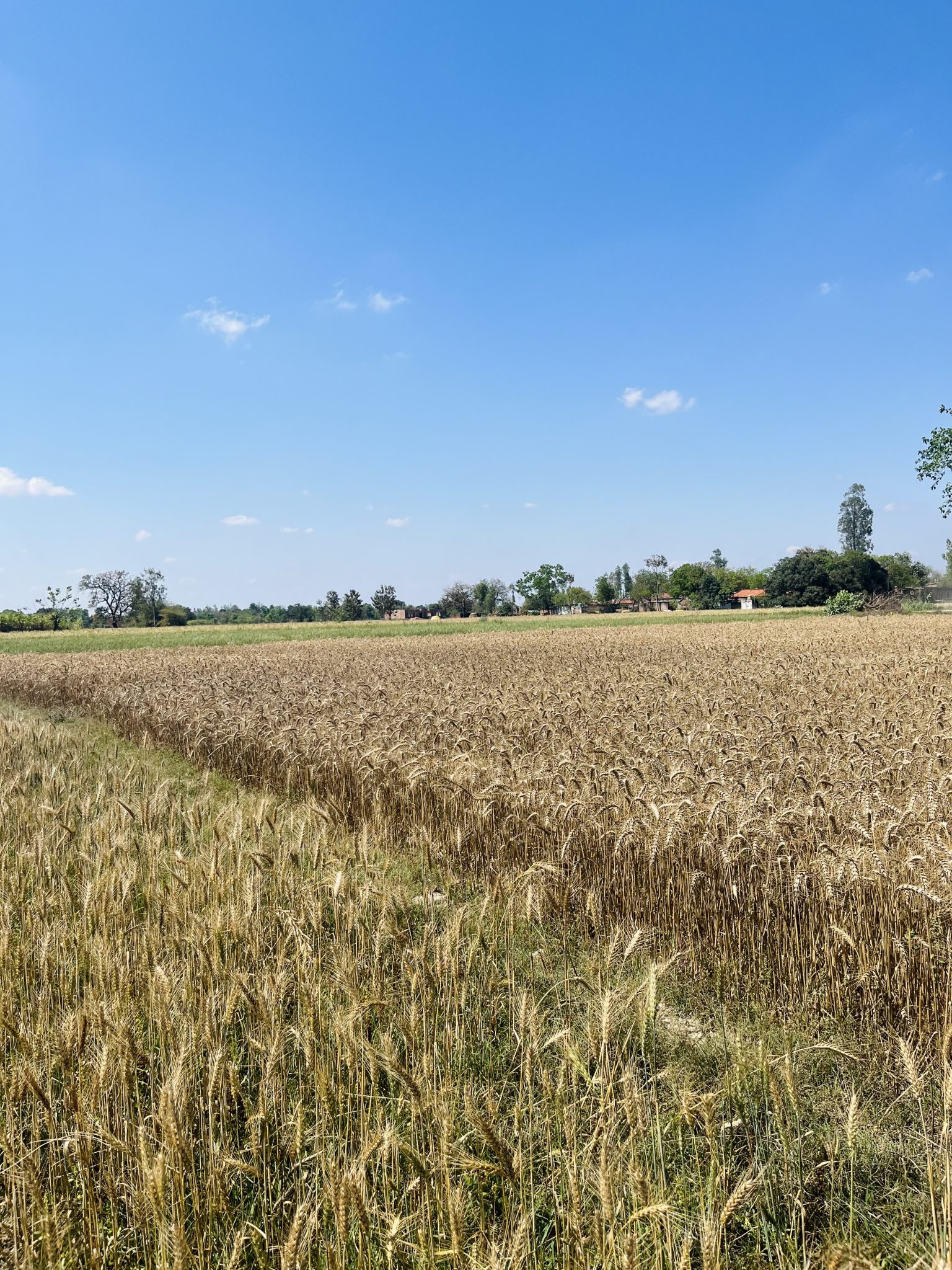
Kalachi is a small town surrounded by wide, grassy plains. Life there was quiet until the winter of 2012. Lyubov Belkova was one of the first people to fall ill. She worked at a local market when a wave of total exhaustion hit her. She woke up in a hospital bed four days later.
The symptoms were always the same. People felt dizzy, weak, and had trouble thinking clearly. Then, their eyes rolled back, and they fell flat on the floor. When they woke up days later, they remembered nothing. Many adults suffered severe memory loss. Children had terrifying visual dreams while they slept, seeing winged monsters and snakes in their beds.
Even animals were not safe from the mysterious illness. A local resident named Elena Marques reported that her cat suddenly started acting crazy. It ran around screaming at the walls, bit the furniture, and then collapsed into a heavy sleep that lasted for thirty hours. Just like the humans, the cat could not be woken up.
Checking the Water, Food, and Air
Doctors first thought the villagers were drinking poisoned alcohol. But when young children and non-drinkers fell asleep, that idea fell apart. Next, experts tested the local water supply. They searched for dangerous bacteria, heavy metals, and toxic chemicals, but every test came back completely clean.
Researchers then looked at the soil, crops, and local meat. Nothing was wrong with the food supply. Some doctors suggested a shared mental illness. They wondered if fear was making people faint on purpose. Yet, medical scans showed real brain swelling in the patients. This was a physical sickness, not just fear in their heads.
The mystery grew deeper because the sleep attacks happened in waves. A group of people would fall asleep for a week, and then everything would return to normal for months. It was a dark puzzle, much like ancient human discoveries such as Cave Paintings Older Than Anyone Thought that left modern experts guessing for decades.
The Ghost Town Next Door
To find the cause, scientists looked at the history of the land. Just a few miles from Kalachi sits an abandoned Soviet-era town called Krasnogorsk. During the Cold War, secret workers lived there to mine uranium out of the ground. The mine was shut down in the early 1990s and left empty.
Uranium is radioactive, so experts checked the village with radiation detectors. The radiation levels in the air were totally normal. That meant radioactive poison was not making people sleep. The old mine seemed like a dead end for a long time.
However, the closed mine was hiding a different kind of danger deep underground. Water had filled the old tunnels over twenty years. As the water rose, it squeezed gas out of the empty rocks and forced it up toward the surface.
Why Did the Village Fall Asleep?
In 2015, government scientists finally solved the mystery. The real culprit was a silent gas called carbon monoxide, mixed with raw hydrocarbons from the old mine shaft. Carbon monoxide has no smell, no color, and no taste. You can breathe it in without ever knowing it is in the room.
When the mine flooded, large pockets of this gas leaked out of the ground. On days when the weather was cold and the wind stopped blowing, the heavy gas settled over Kalachi. It stayed low to the ground where people lived and breathed.
Carbon monoxide stops your blood from carrying oxygen to your brain. When oxygen levels drop, your brain shuts down to protect itself. That is why people fell asleep right where they stood. The lack of oxygen also caused the brain swelling, bad memory loss, and wild dreams reported by the children.
How Did Scientists Solve the Puzzle?
Finding the gas was hard because it did not stay in the air forever. Whenever the wind picked up, it blew the bad gas away. Tests taken on windy days showed totally normal air. Researchers only caught the gas when they tested the air inside homes on very calm days.
Scientists put together a clear timeline of events to prove their theory:
- Old mine tunnels filled with groundwater over two decades.
- Rising water pushed buried carbon monoxide gas up through the soil.
- Cold winter weather trapped the thick gas low over the town streets.
- Low wind kept the toxic air stuck in place for days at a time.
- Villagers breathed the air, lost brain oxygen, and fell into deep sleeps.
Solving this puzzle took hundreds of air samples and years of work. It shows that real answers often hide behind strange events, much like other historical events listed on Lists of problems studied by scientists around the globe.
Life in Kalachi Today
Once the government understood the gas problem, they took action. They offered to move every family out of the dangerous zone. Over half of the villagers packed their bags and moved to safer towns in Kazakhstan. The government built new homes for them far away from the old uranium mine.
Today, Kalachi is mostly quiet. The mine shafts have been sealed up tighter to stop gas leaks. No new sleeping cases have been reported since the relocation efforts began. The strange sleeping sickness is finally over, but the story remains one of the modern world's most unusual events.
If you want to read more about unsolved events and odd real-world events, check out our collection of articles on our mystery blog archive. What strange story should we investigate next?



0 Comments