

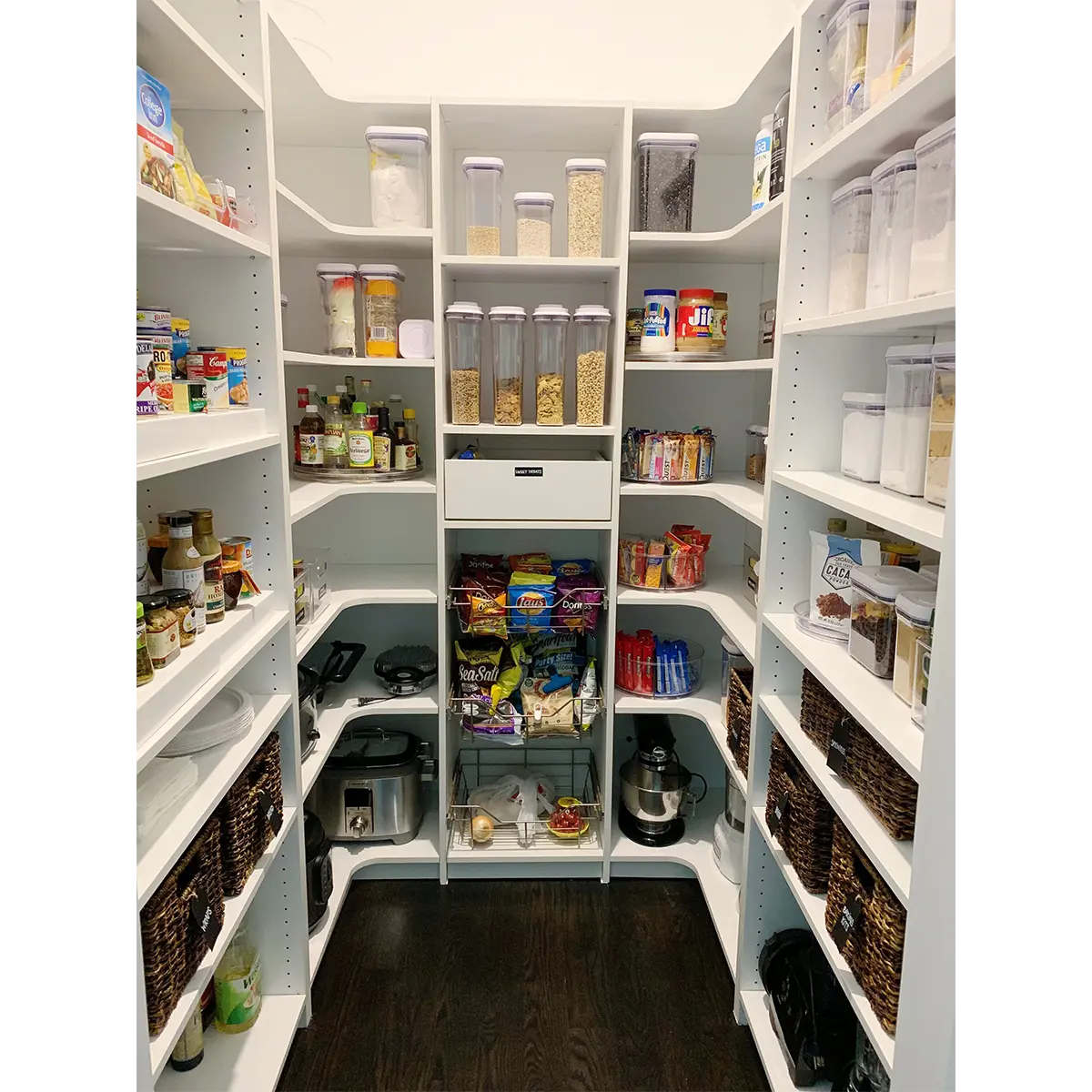
You can set up a neat food cupboard without spending money on matching plastic bins. A practical pantry organization on a small budget starts by using glass jars, cardboard boxes, and plain paper labels you already have at home. You can finish this entire job in about ninety minutes.
How do I organize my pantry on a low budget?
To sort your food cupboard on a low budget, empty every single shelf onto your kitchen counter first. Wipe the wood or laminate shelves down with a damp cloth and warm water to catch old flour dust and loose sugar. Grouping items by type on the counter lets you see exactly how much dry food you have before put anything back.
Sort everything into six clear piles so you know what size containers you need. Throw away expired canned goods and open bags that have gone stale. Combine open packages of the same item, like two half-used bags of brown rice, into one container to save space immediately.
- Group all baking items like flour, sugar, baking soda, and vanilla together.
- Put all breakfast items like oats, cereal, syrup, and jam in one zone.
- Keep quick meal bases like pasta, rice, dry beans, and canned tomatoes together.
- Place everyday snacks like nuts, pretzels, chips, and dried fruit in a front pile.
- Set dinner sauce jars, cooking oils, and vinegars on a tray to catch leaks.
- Gather small spice bottles into a shallow shoe box so they stay upright.
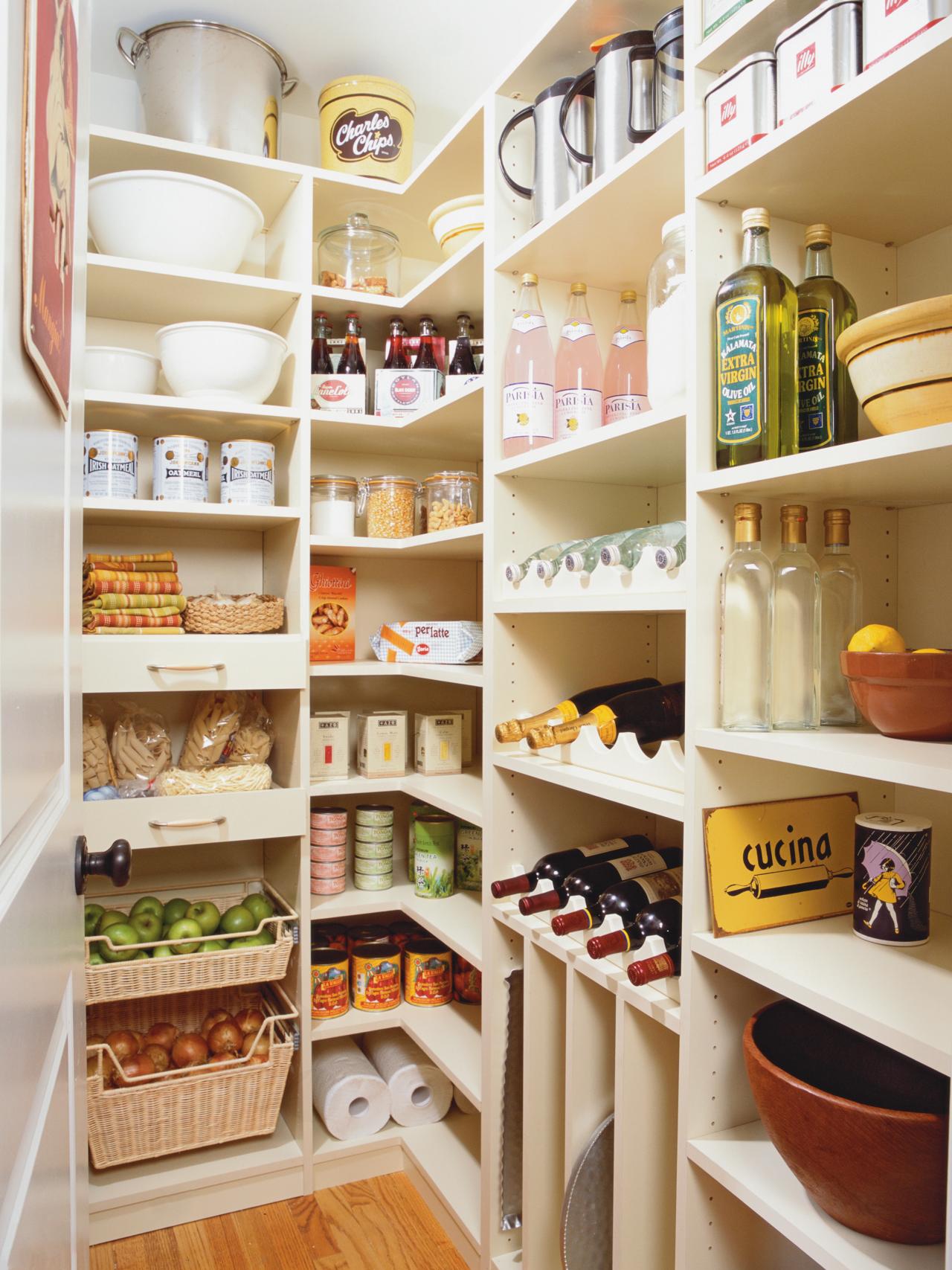
Use free containers you already own
You do not need to buy costly matching acrylic tubs to keep food fresh and visible. Glass pasta sauce jars, pickle jars, and large peanut butter containers make clean storage containers once you wash them with hot soapy water. Remove paper labels by soaking the jars in warm water for fifteen minutes, then scrub off the remaining glue with a teaspoon of baking soda and a drop of dish soap.
Cardboard delivery boxes work well to hold small pouches and packets. Cut the top flaps off a small shipping box so it stands four inches high. Wrap the outside in plain brown paper or leave it plain, then place your gravy mixes, yeast packets, and taco seasonings inside so they do not fall behind larger items on the shelf.
Set up practical pantry zones
Place your most used food items at eye level so preparing meals stays quick and easy. Put heavy items like ten-pound bags of flour, sacks of potatoes, and multi-packs of canned soup on the very bottom shelf. Storing heavy items down low prevents shelf sagging and protects your toes if something drops.
Keep your back-up food items on the highest shelf of the pantry. When you buy two extra tins of beans because they were on sale, put those in the back row behind the open bottle. This basic method of housekeeping stops you from opening three packages of the same item at the same time.
- Top shelf: extra paper towels, back-up baking supplies, and rare appliances.
- Eye level shelf: daily dinner grains, pasta sauce, and main spices.
- Child height shelf: healthy school snacks, lunch boxes, and breakfast cereal.
- Bottom shelf: heavy canned liquids, bulk bags of potatoes, and spare vegetable oil.
Label everything with simple homemade tags
Clear labels keep your household from putting food back on the wrong shelf. You do not need an electronic label maker for this step. Plain painter tape and a black permanent marker create clean labels that peel off easily when you refill a jar with a different ingredient.
Write the date you opened the package on the bottom of each jar using a piece of tape. For items like baking powder or rice, cut out the cooking time or expiration date from the original cardboard box and drop it right inside the glass jar before filling it up. This saves you from guessing how long to boil different grains later on.
Keep your pantry clean without extra costs
Maintaining your tidy space requires only five minutes of care at the end of each week. Before you write your weekly grocery list, take a fast look at your zones. Move older food packages to the front of the shelf so you use them before opening fresh grocery items.
Using professional organizing habits like keeping empty spaces on every shelf makes grocery shopping less stressful. Leave three or four inches of open space on the middle shelf so you have a spot to rest bags while unloading your groceries. A clean layout saves money by stopping you from buying food you already have hidden in the back.



0 Comments